Jillie Balm

jilliebalm

Jilllie Balm – The ‘bomb’ of healing salves!

Claudia Arsenio of Runaway Farm in Dartmouth and Jillian VanNostrand of Seacoast Breast Health in Seekonk team up to produce one winning salve for every possible need. ‘Jillie Balm’ is a proprietary blend of organic and wild crafted, fresh and dried herbs, virgin olive oil and beeswax.


Jillie Balm

The ‘bomb’ of healing salves
Ingredients:  dried roots of echinacea, goldenseal, marshmallow, comfrey, myrrh gum, slippery elm bark, flowers and leaves of calendula, plantain, yarrow, lavender, comfrey, chamomile, nettle
Directions: mix = parts powdered golden seal root, slippery elm bark, myrrh gum resin
(This is the BIG 3 called ‘people paste’ when mixed w raw honey and used in place of stitches.)
Add to these powders = parts powdered  Marshmallow root, comfrey root, echinacea root.
Add 2X as much of the leaf & flowers: Yarrow, calendula, plantain, chamomile, lavender, nettle & comfrey.
Mix together covering all with fresh st. johnswort infused olive oil.
Cook over lowest heat 12 hours.
Longer is ok.
Cool and strain through kitchen sack cloth.    Add beeswax to desired thickness.

The bomb! – Jillie Balm

Posted in Uncategorized | Leave a comment

Inspiration from Mt Hope Farm Farmer’s Market – Buon Appetito!

Saturday’s festival at the Mt Hope Farm was inspirational thanks to the farmers and artists who bring it to the barn every Saturday.  Here’s a sample of kitchen amazements emerging since my visit…

eggplant

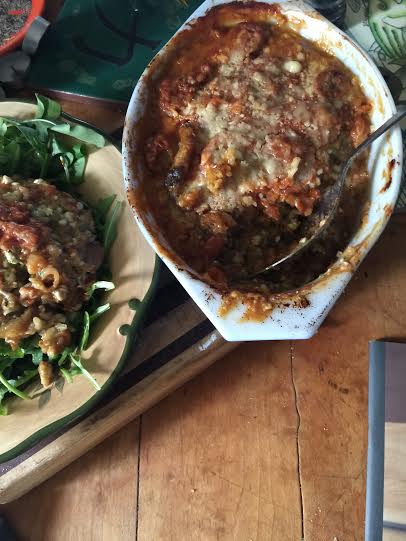
Eggplant and hot sausage layered with porcini mushroom risotto & special sauce

Featuring: 

  • Arugula pesto from Mt Hope Farm
  • Hot sausage from www.Windmistfarm.com
  • Aged balsamic & extra virgin olive oil from www.appetitofoods.com
    farfalle

    Hot sausage & fresh spinach in balsamic champagne demiglaze with raw parm over farfalle

    Featuring:

  •  Hot pork sausage from Windmist Farm
  •  Bacio del Sol Robusto extra virgin olive oil & 12 year old balsamic vinegar from Appetito Foods
  •  Chicken of the woods mushroom from the RI Mushroom Company

Buon Appetito!

Posted in Uncategorized | Leave a comment

This Unicorn Changed the Way I Poop – #SquattyPotty

Posted in Uncategorized | Leave a comment

Gut Bacteria Population, Diversity Linked to Anorexia Nervosa

PUBLIC RELEASE: 5-OCT-2015

Gut bacteria population, diversity linked to anorexia nervosa

Studying the ‘gut-brain axis,’ UNC researchers find evidence of an association between the gut microbiota and the eating disorder

UNIVERSITY OF NORTH CAROLINA HEALTH CARE

October 5, 2015 CHAPEL HILL, NC – Researchers at the UNC School of Medicine found that people with anorexia nervosa have very different microbial communities residing inside their guts compared to healthy individuals and that this bacterial imbalance is associated with some of the psychological symptoms related to the eating disorder.

The findings, published today in the journal Psychosomatic Medicine, provide more evidence that the abundance and diversity of the gut microbiota – the trillions of bacteria that affect digestive health and immunity – could also affect the so-called “gut-brain axis.” This research suggests that gut bacteria could play a prominent role in the debilitating symptoms of anorexia nervosa, a serious eating disorder that affects more than 3 million Americans and has the highest mortality rate of any psychological disorder.

“Other studies have linked gut bacteria to weight regulation and behavior,” said Ian Carroll, PhD, senior author of the paper and assistant professor of medicine in the UNC Center for Gastrointestinal Biology and Disease. “Since people with anorexia nervosa exhibit extreme weight dysregulation, we decided to study this relationship further.”

Carroll added, “We’re not able to say a gut bacterial imbalance causes the symptoms of anorexia nervosa, including associated symptoms, such as anxiety and depression. But the severe limitation of nutritional intake at the center of anorexia nervosa could change the composition of the gut microbial community. These changes could contribute to the anxiety, depression, and further weight loss of people with the disorder. It’s a vicious cycle, and we want to see if we can help patients avoid or reverse that phenomenon. We want to know if altering their gut microbiota could help them with weight maintenance and mood stabilization over time.”

For this study, Carroll’s team collected fecal samples from 16 women with anorexia nervosa after they were first admitted into the UNC Center of Excellence for Eating Disorders and then again after their weight was restored – when they were discharged from UNC. Then Susan Kleiman, a graduate student in Carroll’s lab and first author of the paper, characterized the composition and diversity of the gut microbiota in each sample.

Kleiman found significant changes in the gut bacteria populations between admission and discharge. The samples taken at clinic admission had fewer different types of bacteria, making the intestinal communities much less diverse. Microbial diversity is a sign of better overall health. Upon hospital discharge, the microbial diversity had increased, but was still significantly less diverse than that of 12 healthy individuals, whose gut microbiotas were analyzed for this study.

As the microbial communities in patients with anorexia improved during clinical care and weight gain, the moods of patients also improved. Thus, the researchers noted an association between the gut microbiota and a central symptom of people with anorexia nervosa.

The question remains whether improving microbial abundance and diversity could help relieve symptoms related to the eating disorder. To find out, Carroll formed a team of researchers including Cynthia Bulik, PhD, director of the UNC Center of Excellence for Eating Disorders; John Cryan, PhD, professor at University College Cork; Lisa Tarantino, PhD, assistant professor of psychiatry at UNC-Chapel Hill; Anthony Fodor, PhD, a bioinformatics expert at UNC-Charlotte, and Hunna Watson, PhD, a psychologist and biostatistician at UNC-Chapel Hill.

This month, they received a five-year, $2.5-million grant from the National Institutes of Mental Health to further study the relationship between the gut microbiota and anorexia nervosa.

“Over the past 10 years, prominent researchers have learned that when you take gut microbial communities of an obese person and put it in germ-free mice — which are maintained in sterile conditions and lack intestinal microbiota – the mice gain more weight than germ-free mice that have been colonized with a gut microbiota from a lean individual,” Carroll said. “This suggests that gut microbes mediate weight gain or loss.”

Other animal studies showed that adding gut bacteria to previously germ-free mice altered their behavior, especially in relation to anxiety and stress.

“We’re not saying that altering gut bacteria will be the magic bullet for people with anorexia nervosa,” Carroll said. “Other important factors are at play, obviously. But the gut microbiota is clearly important for a variety of health and brain-related issues in humans. And it could be important for people with anorexia nervosa.”

As part of the new NIH grant, his team will characterize the microbiotas of a large number of people with anorexia nervosa as they enter UNC’s clinic and when they are discharged, which typically happens when they reach about 85 percent of their ideal body weight. Then his team will put those gut bacteria in germ-free mice. This will help Carroll learn how the microbiota from anorexia nervosa patients affects the biology and behavior of the mice.

If Carroll’s team learns that the bacteria has a detrimental effect on the mice, then this might suggest that cultivating a healthy microbiota could serve as a therapeutic route to help people with anorexia nervosa.

“Currently available treatments for anorexia nervosa are suboptimal,” Bulik said. “In addition, the process of weight gain and renourishment can be extremely uncomfortable for patients. Often, patients are discharged from the hospital, and within months and sometimes weeks they find themselves losing weight again and facing readmission. If specific alterations in their microbiota could make renourishment less uncomfortable, help patients regulate their weight, and positively affect behavior, then we might see fewer readmissions and more cures.”

Ian Carroll, PhD, is a member of the UNC Center for Gastrointestinal Biology and Disease. Susan Kleiman is a graduate student in the department of nutrition in the UNC Gillings School of Global Public Health and the UNC School of Medicine. Cynthia Bulik, PhD, is Distinguished Professor of Eating Disorders in the Department of Psychiatry. The National Institutes of Health and TJ’s Fund for Eating Disorder Research, administered by the Academy for Eating Disorders, supported this research.

 
Posted in Uncategorized | Leave a comment

Fighting Inflammation = Fighting Arthritis

Published: September 25, 2015 | By Dr Isaac Eliaz

shutterstock_176622008

Arthritis is a painful, chronic disease that can have a major impact on quality of life. As joints deteriorate, simple tasks likeopening a jar, walking to the mailbox and handling tools become difficult. Over time, mobility becomes more restricted. What’s worse, arthritis sufferers must face the unkind reality that their condition may gradually worsen.

But that doesn’t mean we have no recourse. While arthritis is often incurable, there are measures we can take to help mitigate the pain and stiffness and even slow its progression. The key is understanding the disease and making the right lifestyle adjustments.

What is arthritis?

Most people are familiar with the two main types of arthritis: rheumatoid and osteoarthritis. But there are actually more than a 100 forms of the disease. While these conditions are most common in older people, there are 300,000 children with arthritis in the United States. Overall, nearly 46 million Americans suffer from some form of arthritis.

While arthritis is mostly associated with joints, it can also damage other parts of the body. Some forms, such as rheumatoid, attack major organs and systems, such as lungs, skin and blood vessels.

However, the most common form, osteoarthritis, generally strikes the joints. Over time, normal wear and tear causes cartilage, the natural cushion between bones, to wear out. This leads to pain, stiffness and increased inflammation.

At its base, arthritis is an inflammatory disease, so the key to controlling the symptoms is mitigating that inflammation. To achieve this we have a number of natural remedies at our disposal. These include diet, activity and targeted supplements. By combining these, we can put together an effective strategy to tackle arthritis.

Controlling inflammation

We are often told that we are what we eat. Yet, as a nation, we really don’t take that advice to heart. Many of our most popular meals are highly inflammatory. Fast and processed foods, refined flour, sugar and factory-farmed red meat are all known to increase inflammation. Factor in alcohol, caffeine, stress and exhaustion, and we get a perfect storm for chronic inflammation and the many degenerative conditions it can fuel.

But it all starts with food.

After we’ve reduced or eliminated inflammatory ingredients from our diet, we need to emphasize the anti-inflammatory variety: whole, nutrient-dense foods like sprouted grains and legumes, lean proteins, healthy fats, green vegetables, bright colored fruits like berries and mango, culinary herbs and spices, and lots of filtered water.

Foods like sprouted whole grains contain a lot of fiber, which will help detoxify the body and reduce inflammation. Brightly colored fruits and green leafy vegetables are both high in phytonutrients and antioxidants which help scavenge harmful free radical molecules, detoxify the body and fight inflammation, while offering numerous other protective benefits.

I particularly recommend alkaline vegetables, such as spinach, broccoli and avocado. These help control acidity in the body, as well as reduce toxins. Cruciferous vegetables, such as broccoli and cabbage, are rich in sulfur compounds, which slow inflammation and support joint and tissue health.

For protein, choose sprouted legumes, organic meats or fatty fish, such as salmon and sardines. These fish are high in omega 3 fatty acids, which provide both antioxidant and anti-inflammatory support. Omega 3s can reduce the joint pain associated with both rheumatoid and osteoarthritis and have also been linked to improved cardiovascular, pulmonary and emotional health. Omega 3s are also found in walnuts, flax, chia seeds and other sources.

For those who cannot bear the morning without hot caffeinated beverage, switch from coffee to green or black tea. Tea is rich in antioxidants and polyphenol compounds that reduce inflammation, support immunity and promote numerous other areas of health.

Activity

One of the unique things about cartilage is that it gets very little blood flow. The movement of our joints lubricates cartilage, brings in nutrients and eliminates waste. For that reason and many others, movement is an important component to joint health.

I am a particular fan of gentle activity over strenuous work outs that can damage muscles and joints. Walking and swimming are excellent ways to increase circulation and lubricate the joints. Walking, in particular, can be done anywhere. It’s as simple as seeking out the farthest parking space, rather than the closest.

Exercise also serves another important function: It reduces stress, which is a major contributor to chronic inflammation. Long-term anxiety increases production of stress hormones, such as cortisol, which feed inflammation. As a result, anything we do to control stress reduces this inflammatory environment and supports both joint and overall health.

In addition to gentle exercise, I also recommend mindfulness-based stress reduction techniques, such as meditation, which have been shown to improve both mental and physical health and control inflammation. There are also moving meditations, such as yoga, Tai Chi and Qi Gong, which combine the benefits of healthy exercise with mindfulness.

Key supplements

Bone and joint health are inextricably linked together. For that reason, it’s always a good idea to support strong bones. Calcium has been touted for years in dairy ads to increase bone density, but it’s important to remember that it doesn’t act alone. Yes, having more calcium in the body can be quite helpful, but we also need Vitamins D and K, as well as magnesium to help bones absorb that calcium. Vitamin K is particularly important, as it helps ensure that calcium goes where it should, rather than depositing on artery walls or other areas where it can cause a problem.

While we’re on the subject, dairy may not be our best source for calcium anyway, as it’s difficult for many people to digest. Kale, oranges, broccoli, almonds and turnip greens are all calcium rich.

I also recommend methylsulfonylmethane (MSM), an organic sulfur compound that reduces joint pain and inflammation. Sulfur is a major component in many connective tissues. MSM can be taken in capsule form, but is also found in grains, fruits and vegetables.

Glucosamine and chondroitin, which are found naturally in cartilage, have shown some benefits as well. In one large multicenter study, the combination helped relieve pain in many participants with severe arthritis. They were less effective, however, for people who only had mild pain. While more research needs to be done, glucosamine and chondroitin certainly have their place in a larger anti-arthritis regimen.

Another excellent anti-inflammatory is curcumin, a highly active compound derived from turmeric root. Curcumin has been shown to regulate inflammatory proteins on the cellular level. Another excellent spice with anti-inflammatory qualities is ginger.

Modified citrus pectin

One of the most interesting anti-inflammatory supplements comes from an odd source: orange peels. Citrus pectin has been used for many years to support digestive health, but because the molecules are so large, the body doesn’t absorb it particularly well. However, modified citrus pectin (MCP) is a special form of pectin which is easily absorbed and does an excellent job at mitigating inflammation.

The reason is a protein called galectin-3, which is known for its ability to generate inflammation, causing some serious health issues. Galectin-3 has been associated with invasive cancer, heart disease and fibrosis, the buildup of scar tissue associated with arthritis and many other conditions. MCP has a special affinity for galectin-3, binding and blocking galectin-3 to reduce systemic inflammation and fibrosis in organs and tissues – including joints — and it seems to have a particularly powerful impact against arthritis.

In addition to blocking galectin-3, MCP is also known for its ability to chelate heavy metals, such as lead, mercury and cadmium. Since these toxic metals tend to accumulate in joints, removing them can have a beneficial effect on arthritis. For those who are interested in more information about modified citrus pectin, I recommend a book called “A New Twist on Health.” Details about the book can be found at www.newtwistonhealth.com.

Arthritis can be difficult to treat because there’s no magic bullet or fast-acting natural relief. While this is a challenge, it shouldn’t stop us. By harnessing diet, exercise, mindfulness and targeted supplements, we can reduce the inflammation and scar tissue buildup, increase lubrication to the joints and consequently control the associated pain and stiffness.

Additionally, by managing chronic inflammation, we also reduce our risks for cancer, cardiovascular disease and numerous other conditions. In the long run, these simple changes can increase overall health to help us not only live longer, but live better with more energy and vitality for the things that keep us going.

Posted in Uncategorized | Leave a comment

Meet the GynePunks

Meet the GynePunks Pushing the Boundaries of DIY Gynecology

WRITTEN BY DOUG BIEREND

August 21, 2015 // 08:30 AM EST

3D-printed speculum designed by GaudiLabs. Photo: Klau/Creative Commons

Access to reproductive health care is key to the wellbeing of women around the world. But for countless underserved groups—sex workers, immigrants, LGBTQ, and the uninsured, to name a few—access often doesn’t exist.

A collective of radical bio-hackers and TransHackFeminists are out to reclaim gynecological medicine for those women, and for themselves. Under the name GynePunks, they’re assembling an arsenal of open-source tools for DIY diagnosis and first-aid care—centrifuges made from old hard drive motors; microscopes fromdeconstructed webcamshomemade incubators; and 3D printable speculums.

Someone who’s determined enough can make a full-on DIY biolab, with all the tools needed for routine tests involving basic chemistry, fluid analysis, spectroscopy, and other techniques. The GynePunks have gathered many of those tools and techniques, along with information on how to use them to test for things like yeast infections, cervical cancer, STDs, and pregnancy.

Included with the specific tools are reams of information and history on other aspects of reproductive health, from plant-based treatments for UTIs to resources for performing less dangerous self-abortions.

So far its reach has been mostly limited to experiments in hackerspaces and workshops. But ultimately, the GynePunks hope it will be easy enough for almost anyone with an internet connection and access to commonly available parts to take control of their reproductive health.

Mounting a hacked webcam into the speculum,which can be used for cervix inspection and diagnostics using the vinegar test (see hesperian.org). Image: Paula Pin/Creative Commons

“This hacker mentality, for me, serves as a new way to understand the world around us, and gives us many tools to develop and generate our own technologies,” Paula Pin, an early GynePunk, told me over email. “We understand our body also as a technology to be hacked, from the established ideas of gender and sex, to exploring the capacity to start researching ourselves, to find our own ideas and technologies, to help us be free, autonomous and independent from the system.”

“I came from a country where abortion is still illegal. I had myself a risky illegal abortion in Perú 14 years ago.”

The GynePunks first formed at Calafou, a co-op community and “postcapitalist ecoindustrial colony” set in the remains of an abandoned textile plant near Barcelona. Since 2013, members of a hackerspace there called Pechblenda have held workshops aimed at decolonizing the female body, exploring plant-based vaginal medicines, DIY lubricants, and improved sex toys.

Their work soon merged with that of global bio-hacking network Hackteria, Swiss open lab project Gaudilabs, and other nodes in a sprawling network of artists, scientists, researchers, and hackers, until GynePunks was born.

So what is a GynePunk? “The only criteria I would apply to consider yourself GynePunk is reclaiming your body,” says Klau Kinky, another member of the movement.

“GynePunk is not a formed collective, it’s a riot of bodies,” she said. “And for that riot we’ll use all the help, complicity, alliances and tools we can find.”

Klau had been working on a personal research project into the often sad and violent history of gynecology, which became the initial inspiration for the GynePunk project. “What I found was horrible and set me on fire,” she said.

Hack session at GaudiLabs, Luzern. Photo: Urs Gaudenz/Creative Commons

Especially appalling to Klau were the stories of three black slaves in 1840’s Alabama, named Anarcha, Lucy, and Betsey, to which much of modern gynecology traces its roots.

These three women became the living research subjects for J. Marion Sims, inventor of the speculum and the celebrated “father of gynecology.” Anarcha, due to an apparently superhuman threshold for pain, was subjected by Sims to some 30 surgeries without anesthesia. Sims used what he learned from these and other experiments to treat his wealthy white patients (with anesthesia), laying foundations for many of today’s gynecological practices.

Anarcha, Lucy, and Betsey’s stories go largely unrecognized, while statues commemorate doctors whose work was based on their suffering. The GynePunks champion reclaiming reproductive health from that history. For example, they’ve renamed the Skene’s Gland (named after another 19th century gyno) to “Anarcha’s Gland.” Because really, does it make sense that a gland linked to the female orgasm is named after some guy?

The echoes of gynecology’s fraught relationship with the underserved lives on in more than a couple dead white dudes’ names. Whether for non-binary folks, frequently faced by uncomfortable interactions surrounding their sexual histories with doctors who may or may not approve; high-risk communities for whom access is limited by insurance costs; even those privileged enough to have access only to see itconstantly threatened—the fact remains that the OB/GYN office doesn’t always feel like a place of healing.

“It represents, at least for me, some kind of purgatory, sometimes hell,” says Klau. “I came from a country where abortion is still illegal. I had myself a risky illegal abortion in Perú 14 years ago. As a migrant I have been mistreated and insulted in Spanish gynecology rooms. So I’m involved in this work because it’s something that my body needs, it’s something vital, as a political struggle about taking back technologies, taking my body back and away from all this violence.”

But is it practical to use open source technology to take over one’s own health care, or even safe? So far the work is largely focused on diagnosis, and members of the collective are quick to note that what they’re creating is far from a comprehensive solution. It’s limited by some obvious factors—access to materials, a place to put them together, and the time to do it. But where the infrastructure does exist, and people are motivated to do so, it is very possible to establish some useful alternatives for self-care. As an example, Klau pointed to a pilot vinegar test program that’slowered cervical cancer deaths by some 31 percent among poor women in Mumbai’s slums.

Hacked hard disc centrifuge with 3D-printed sample holder. Photo: Paula Pin/Creative Commons

“Looking forward I would love to focus not too much only on diagnosis, but how to deal with the diagnosis made, how to heal and prevent,” she said. “I think that the spread of what is happening here is starting to create an awareness that is creating new circles of people coming together to talk about their bodies and health.”

Hacking a hard drive motor is more complex than a vinegar test, but the latter demonstrates that with simple tools a community can empower itself. The internet’s reach is spreading, while maker spaces and fab labs are on a trend to become asubiquitous as public libraries. As access to open technology grows and the places to experiment with it proliferate, it may come to provide increasingly viable alternatives.

“Most of our tools can be made from recycled hardware trash, basic electronic components and hot glue and cardboard,” said Marc Dusseiller, a biohacker and member of Hackteria. The lab equipment and experiments he’s describing (don’t worry, none of the gyno tools for people’s nether-regions are made of trash) are specifically designed to be put together by anybody. “In fact a lot of the basic science lab equipment is very easy to hack, or build yourself, maybe with limited quality and reproducibility, but great for the ‘demystification of science,’” he said.

The American College of Obstetrics and Gynecology defines underserved women as “those who are unable to obtain quality health care by virtue of barriers created by poverty, cultural differences, race or ethnicity, geography, sexual orientation, gender identity, or other factors that contribute to health care inequities.” That’s a lot of people whose needs are unlikely to be met by the existing system.

One possible solution lies in decentralized and freely available bodies of medical knowledge, resources developed by and for the people who need them most. Exploring such solutions can also underscore the shortcomings of mainstream medicine. The fact that tens of millions of women must perform their own abortions each year attests to the need for a more inclusive system. Until that system arrives, providing better tools and resources can step in where the existing one already fails.

“I think there will never be a final phase, the body is unlimited,” says Klau, who closed our interview by quoting Audre Lorde: “There is no thing as a single-issue struggle because we do not live single-issue lives.”

This individual article is available under a Creative Commons BY-NC 2.5 license license.

Posted in Uncategorized | Leave a comment

5 Simple Healing Recipes

5 Simple Healing Recipes

Complements of  Maia Toll

soup

Over the weekend I got a frantic call from a friend.

A woman we both know had been diagnosed with C-Diff. The pharmaceuticals weren’t working. She was losing weight and strength quickly and everyone around her was deeply concerned.

While C-Diff is hopefully something that very few of us will ever have to deal with (it is brought on when a strong dose of antibiotics are taken, which then kill the beneficial bacteria in the gut, leaving the body open to infection by Clostridium difficile), there have been so many stomach flus and bugs this year that I thought it might be time to revive the lost art of… invalid food!

(I know this is terribly unexciting to both your eyes and your taste buds, but having this information on hand when you need it can be a game changer.)

If you’ve read your Victorian romances, you’ll remember that the dying heroine always has someone offering her a sip of Barley Water to wet her throat or spooning gruel past her parched lips.

Healing recipes are no longer learned at our mothers’ knee, but they are still well worth having in your repertoire.

Helping someone stay nourished and hydrated is a big step toward helping their body have the strength to heal.

I have 5 very simple recipes that I turn to when someone is ill:

#1 Barley Water

6 c. water
1 c. barley grouts

Most grocery stores will have barley in some form—get what is available. If it says “pearled”, that means the outer casing has been removed. If possible, try to get un-hulled or pot barley.

Bring the water to a slow simmer and keep it barely bubbling until the barley begins to soften. Put a lid on the pot and let it sit, off the heat, for 20 minutes. Strain out the barley and drink the water (as much as you want). You can also do this in a slow cooker.

Barley water is cooling (so great for a fever or inflammation). It is also very nurturing to the intestinal tract.

Add lemon and honey or some mint or ginger to taste.

Concerned about gluten?

If you have Celiac, move on to #2. If you have a gluten intolerance, experiment with barely at some point when you are not ill. I have been off wheat for 20 years and, over the years, as gluten-free has become an accepted monicker, have started using those words for ease. But the truth is, I am not gluten intolerant, I am wheat intolerant. Our wheat has been bred to have an incredibly high gluten content and it’s in everything, which can lead to intolerance. The levels in barley are completely different. You can read more about barley here.

#2 Bone Broth

Bone broth is rich in minerals and collagen. It is easy to digest and is a panacea for the whole body.

My recipe for chicken broth is here and there are a bunch of great options for bone broth as well as cooking tips at The Nourished Kitchen.

When someone doesn’t have the strength to deal with making bone broth, I have them get miso.

Miso is a fermented food which is easily digested and rebuilding for the gut. You can buy it already made from a local Japanese restaurant. Buy a few containers so you can keep sipping!

#3 Slippery Elm powder

You can get this at Herbiary or a health food store and make into a gruel in the same way that you would make cream of wheat (i.e., gently simmer in water until the water has evaporated to the desired consistency).

Slippery Elm is endangered, so I save this for severe intestinal issues or for people who have lost a great deal of strength. If need be, you could live on Slippery Elm gruel for quite some time; it’s nurturing and soothing, helps rebuild the mucosal linings that make up the intestinal walls, and tastes vaguely like maple syrup.

#4 Kefir

Any flavor that sounds appealing!

Kefir is a probiotic rich drink that feeds the beneficial bacteria in the body. Our immune system is supported by these beneficial bacteria and if you have had a stomach virus, this helpful flora will be deplete.

#5 Congee

Congee is a rice porridge that is eaten in Asia.

It is a wonderful vehicle for herbs and medicinal mushrooms.  It is also very soothing to the stomach, so wonderful for someone who is under the weather.
1 cup short grained white rice
8 cups water or broth
1 tsp. salt
–  Rinse the rice in a colander.

–  Put the rice in a saucepan with a heavy bottom. Put in water and rice and bring to a boil.  Reduce the heat to low, partially cover, and simmer for 1 hour stirring occasionally.  The liquid will become thick and porridge-like.

-or-

Put rice and water into a crock-pot and cook overnight.

It’s smart to keep some of these basic ingredients in the house so that you have what you need if you suddenly find yourself queasy. I freeze bone broth to have it on hand for just such emergencies. Because, really, who wants to run to the market when their belly aches?

Hopefully you won’t need this list, but bookmark it just in case… and share it out!

Hugs,

maiasig1

Posted in Uncategorized | Leave a comment

Dr. Mercola’s Study: Mammograms Again Found to Have No Impact on Mortality

Mammograms Again Found to Have No Impact on Mortality

July 28, 2015 | 291,862 views

By Dr. Mercola

Do annual mammograms save lives?

Several studies over the past few years have concluded that mammograms do not save lives, and may actually harm more women than they help, courtesy of false positives, overtreatment, and radiation-induced cancers.

According to research1 published in 2010, the reduction in mortality as a result of mammographic screening was so small as to be nonexistent — a mere 2.4 deaths per 100,000 person-years were spared.

Another study2 published in The Lancet Oncology in 2011 demonstrated, for the first time, that women who received the most breast screenings had a highercumulative incidence of invasive breast cancer over the following six years than the control group who received far less screenings.

Now, researchers from Harvard and Dartmouth have published a paper3 in which they present similar conclusions.

Mammograms Have No Impact on Breast Cancer Mortality

After analyzing cancer registry data from 16 million women in 547 counties across the United States, they found “no evident correlation between the extent of screening and 10-year breast cancer mortality.”

The researchers concluded that mammograms primarily find small, typically harmless, or non-lethal tumors, leading to widespread overdiagnosis.

As explained by Dr. Otis Webb Brawley, chief medical officer of the American Cancer Society and author of the book, How We Do Harm, the term “overdiagnosis” in cancer medicine refers to:

“…a tumor that fulfills all laboratory criteria to be called cancer but, if left alone, would never cause harm. This is a tumor that will not continue to grow, spread, and kill. It is a tumor that can be cured with treatment but does not need to be treated and/or cured.”

Also, echoing results found in 2011, higher screening rates were associated with higher incidence of breast cancer. As reported by The LA Times:4

“For every 10-percentage-point increase in screening rates, the incidence of breast cancer rose by 16 percent… That worked out to an extra 35 to 49 breast cancer cases for every 100,000 women…

The researchers also examined breast cancers according to their stage at diagnosis, a marker of a tumor’s aggressiveness. More screening was associated with a higher incidence of early-stage breast cancers but no change for later-stage tumors, according to the study.

How can this be?

‘The simplest explanation is widespread overdiagnosis, which increases the incidence of small cancers without changing mortality,’ the study authors wrote. ‘Even where there are 1.8 times as many cancers being diagnosed, mortality is the same.’”

To Screen or Not to Screen?

Clearly, the issue of breast cancer screening using mammography can be a deeply emotional one. Virtually all discussions relating to cancer are. A recent article in Forbes Magazine5 paints a vivid picture of most women’s fears, and warns of the dangers of not getting diagnosed in time.

While it needs to be an individual choice, I believe it can be valuable to take a step back and look at the big picture, which includes population-based statistics such as those presented above.

It’s also well worth investigating all available options and, of course, weigh the risks and benefits associated with each. As reported by Care2:6

“[The] study authors… point to a balance of benefits and harms and believe mammography is likely most favorable when directed at women who are at high risk — not too rarely and not too frequently.

They also believe watchful waiting, rather than immediate active treatment, is probably a good option in some cases.”

A main objection to mammography is the fact that it uses ionizing radiation to take images of your breasts, and it’s a well-established fact that ionizing radiation can cause cancer.

So the idea that the “best” way for you to avoid dying from cancer is to expose yourself to cancer-promoting radiation at regular intervals for decades on end (in order to catch the cancer early) really falls short on logic — especially since there are non-ionizing radiation imaging techniques available.

Results published in the British Medical Journal7 (BMJ) in 2012 show that women carrying a specific gene mutation called BRCA1/2 are particularly vulnerable to radiation-induced cancer.

Women carrying this mutation who were exposed to diagnostic radiation before the age of 30 were twice as likely to develop breast cancer, compared to those who did not have the mutated gene.

They also found that the radiation-induced cancer was dose-responsive, meaning the greater the dose, the higher the risk of cancer developing. The authors concluded that:

“The results of this study support the use of non-ionizing radiation imaging techniques (such as magnetic resonance imaging) as the main tool for surveillance in young women with BRCA1/2 mutations.”

Mammograms Do Not Reduce Mortality Beyond That of Physical Examination

Last year, one of the largest and longest investigations into mammography was published.8

It involved 90,000 women who were followed for 25 years, and it sent shockwaves through the medical industry when it reported that the death rates from breast cancer were virtually identical among women who got annual mammograms and those who did not.

Moreover, it found that mammography screening had harmful effects. As reported by The New York Times:9

“One in five cancers found with mammography and treated was not a threat to the woman’s health and did not need treatment such as chemotherapy, surgery, or radiation.”

At the outset of the study, the women, aged 40-59, were randomly assigned to receive either five annual mammography screens, or an annual physical breast examination without mammography.Over the course of the study, 3,250 of the women who received mammography were diagnosed with breast cancer, compared to 3,133 in the non-mammography group.

Of those, 500 women in the mammography group, and 505 in the control group, died from the disease. However, after 15 years of follow-up, the mammography group had another 106 extra cancer diagnoses, which were attributed to overdiagnosis. According to the authors:10

“Annual mammography in women aged 40-59 does not reduce mortality from breast cancer beyond that of physical examination or usual care when adjuvant therapy for breast cancer is freely available. Overall, 22 percent of screen detected invasive breast cancers were over-diagnosed, representing one over-diagnosed breast cancer for every 424 women who received mammography screening in the trial.”

The rate of overdiagnosis (22 percent) is virtually identical to that found in a 2012 Norwegian study,11 which found that as many as 25 percent of women are consistently overdiagnosed with breast cancer that, if left alone, would cause no harm. Other studies that have come to similar conclusions include the following:

  • In 2007, the Archives of Internal Medicine12 published a meta-analysis of 117 randomized, controlled mammogram trials. Among its findings: rates of false-positive results are high (20-56 percent after 10 mammograms)
  • A 2009 meta analysis by the Cochrane Database review13 found that breast cancer screening led to a 30 percent rate of overdiagnosis and overtreatment, which increasedthe absolute risk of developing cancer by 0.5 percent.  The review concluded that for every 2,000 women invited for screening throughout a 10 year period, the life of just ONE woman was prolonged, while 10 healthy women were underwent unnecessary treatment.

Know the Signs and Symptoms of Breast Cancer

Mammograms can also miss the presence of cancer. According to the National Cancer Institute (NCI), mammograms miss up to 20 percent of breast cancers present at the time of screening. Your risk for a false negative is particularly great if you have dense breast tissue, and an estimated 49 percent of women do.14 Mammography’s sensitivity for dense breasts is as low as 27 percent,15 which means that about 75 percent of dense-breasted women are at risk for a cancer being missed if they rely solely on mammography. Even with digital mammography, the sensitivity is still less than 60 percent.

Considering the mortality rate from breast cancer is virtually identical whether you get an annual mammogram or an annual physical breast exam, it suggests physical examination can go a long way toward detecting a potential cancer. It certainly makes sense to familiarize yourself with your breasts and the signs and symptoms of breast cancer.16,17 If you notice any of the following symptoms, be sure to address it with your doctor, even if you’re not due for an annual checkup yet.

Lump in the breast (keep in mind that breast lumps are common, and most are not cancerous) Dimpling of the breast surface, and/or “orange peel” skin texture
Pain or unusual tenderness or swelling in the breast Visible veins on the breast
Retracted nipple Change in size or shape of the breast
Nipple discharge Enlarged lymph nodes (located in the armpit)
Vaginal pain Unintentional weight loss

Optimize Your Vitamin D for Breast Cancer Prevention

While detection and diagnosis of breast cancer is certainly important as early treatment has a greater chance of success, prevention is really key, and here you can wield a lot of power over your own destiny. In the largest review of research into lifestyle and breast cancer, the American Institute of Cancer Research estimated that about 40 percent of US breast cancer cases could be prevented if people made wiser lifestyle choices. I believe that is a very conservative estimate.

It’s likely that 75 percent to 90 percent of breast cancers could be avoided by strictly applying the recommendations below, especially when done in combination, as part of an overall healthy lifestyle. Optimizing your vitamin D level alone has been shown to reduce your chances of breast cancer by at least 50 percent and double your chances of surviving breast cancer should you receive a breast cancer diagnosis.

Vitamin D influences virtually every cell in your body and is one of nature’s most potent cancer fighters. It’s actually able to enter cancer cells and trigger apoptosis (cell death). Vitamin D also works synergistically with every cancer treatment I’m aware of, with no adverse effects. The average vitamin D level found in American breast cancer patients18 is 17 ng/ml, a far cry from a more optimal 40-50 ng/ml.

So please, be sure to regularly monitor your vitamin D levels and take whatever amount of vitamin D3 you need to maintain a clinically relevant level. (Remember you also need vitamin K2 if you’re taking an oral vitamin D supplement instead of getting regular sun exposure.)

vitamin d levels
Sources

Other Breast Cancer Prevention Tips

Other important lifestyle considerations that can help reduce your chances of breast cancer include the following:

Eat REAL Food A key dietary principle for optimal health and disease prevention is to eat real food. Choose fresh, organic, preferably locally growth foods. That also means avoiding all types of processed foods, which can contain any number of health harming ingredients, from refined sugar, processed fructose, genetically engineered ingredients, carcinogenic pesticides, and tens of thousands of food additives that have not been tested for safety.

Refined sugar is detrimental to your health in general and promotes cancer. As a general guideline, limit your total fructose intake to less than 25 grams daily. If you have cancer or are insulin resistant, you would be wise to restrict it to 15 grams or less.

Consider reducing your protein intake to one gram per kilogram of lean body weight. Replace the eliminated protein and carbs with high-quality fats, such as organic eggs from pastured hens, high-quality meats, avocados, and coconut oil. There’s compelling evidence that a ketogenic diet helps prevent and treat many forms of cancer.

Also consider adding more cancer-fighting foods, herbs, and spices to your diet, such as broccoli. To learn more about how anti-angiogenetic foods fight cancer, please see our previous article: “Dramatically Effective New Natural Way to Starve Cancer and Obesity.”

Get plenty of natural vitamin A Vitamin A may also play a role in helping prevent breast cancer.19 It’s best to obtain it from vitamin A-rich foods, rather than a supplement. Your best sources are organic egg yolks, raw butter, raw whole milk, and beef or chicken liver.

Beware of supplementing as there’s some evidence that excessive vitamin A can negate the benefits of vitamin D. Since appropriate vitamin D levels are crucial for your health in general, not to mention cancer prevention, this means that it’s essential to have the proper ratio of vitamin D to vitamin A in your body.

Ideally, you’ll want to provide all the vitamin A and vitamin D substrate your body needs in such a way that your body can regulate both systems naturally. This is best done by eating colorful vegetables (for vitamin A) and by exposing your skin to appropriate amounts sunshine every day (for vitamin D).

Get sufficient amounts of iodine Iodine is an essential trace element required for the synthesis of hormones, and the lack of it can also cause or contribute to the development of a number of health problems, including breast cancer. This is because your breasts absorb and use a lot of iodine, which they need for proper cellular function. Iodine deficiency or insufficiency in any of tissue will lead to dysfunction of that tissue, and tumors are one possibility.

However, there’s significant controversy over the appropriate dosage, so you need to use caution here. There’s evidence indicating that taking mega-doses, in the tens of milligram range may be counterproductive. One recent study suggests it might not be wise to get more than about 800 mcg of iodine per day, and supplementing with as much as 12-13 mg (12,000-13,000 mcgs) could potentially have some adverse health effects.

Nourish your gut Optimizing your gut flora will reduce inflammation and strengthen your immune response. Researchers have found a microbe-dependent mechanism through which some cancers mount an inflammatory response that fuels their development and growth.

They suggest inhibiting inflammatory cytokines might slow cancer progression and improve the response to chemotherapy. Adding naturally fermented food to your daily diet is an easy way to prevent cancer or speed recovery. You can always add a high-quality probiotic supplement as well, but naturally fermented foods are the best.

Avoid xenoestrogens Xenoestrogens are synthetic chemicals that mimic natural estrogens. They have been linked to a wide range of human health effects, including reduced sperm counts in men and increased risk of breast cancer in women. There are a large number of xenoestrogens, such as bovine growth hormones in commercial dairy, plastics like bisphenol-A (BPA), phthalates, and parabens in personal care products, and chemicals used in non-stick materials, just to name a few.
Avoid charring your meats Charcoal or flame broiled meat is linked with increased breast cancer risk. Acrylamide — a carcinogen created when starchy foods are baked, roasted, or fried — has been found to increase breast cancer risk as well.
Avoid unfermented soy products Unfermented soy is high in plant estrogens, or phytoestrogens, also known as isoflavones. In some studies, soy appears to work in concert with human estrogen to increase breast cell proliferation, which increases the chances for mutations and cancerous cells.
Drink a quart of organic green vegetable juice daily Review my juicing instructions for more detailed information.
Get plenty of high quality animal-based omega-3 fats Omega-3 deficiency is a common underlying factor for cancer.
Take curcumin This is the active ingredient in turmeric and in high concentrations can be very useful in the treatment of breast cancer. It shows immense therapeutic potential in preventing breast cancer metastasis.20 To learn more about its use for the prevention of cancer, please see my interview with Dr. William LaValley.
Avoid drinking alcohol Or at least limit your alcoholic drinks to one per day.
Improve your insulin and leptin receptor sensitivity Eating a whole food diet low in added sugars is key. Exercising regularly will also promote optimal insulin and leptin sensitivity
Avoid wearing underwire bras There is intriguing data suggesting metal underwire bras increase your breast cancer risk.
Avoid electromagnetic fields Items such as electric blankets and cell phones can be particularly troublesome and increase your cancer risk. Definitely avoid stashing your phone in your bra as you go about your day.
Posted in Uncategorized | Leave a comment

Join us for the 2015 Pain Awareness Event

Join us for the  2015 Pain Awareness Event

Opiate~Pain Reduction~Alternatives

Miriam Hospital

164 Summit Ave., Providence, RI

SEPTEMBER 19, 2015 2~4pm

Hurvitz Board Conference Room

~Registration is not required~

GUEST SPEAKER:

James P. Crowley, MD, FACP

Retired founding director of the Cancer Center at Memorial Hospital

Professor Emeritus of Medicine at Brown University

“Overview of how we got to where we are today with no effective oral opioids”

INSPIRATIONAL SPEAKER:

Jamie Toscano

SPEAKERS ON ALTERNATIVES TO CONSIDER:

Simone Lukas-Jogl, PHD ~ Rolfing Structural Integration

Clive W. Bridgham, MA, DC, DACBSP ~ Barrington Chiropractic & Sports Medicine Clinic

Cris Monteiro ~ Providence Community Acupuncture

Joanne Leppanen ~ President of RIPAC, Medical Marijuana

Learn about local support and awareness

View our INvisible Project Display

For more information, contact:  Ellen & Stu Smith (401) 474-0115

Email:  ellen.smith2@gmail.com

Refreshments donated by WHOLE FOODS

ellen lenox smith

https://ellenandstuartsmith.squarespace.com/

RI Arthritis Foundation Ambassador

RI US Pain Foundation Ambassador

      Co- Director for Medical Marijuana Advocacy

      2010 INvisible Project subject for Ehlers Danlos; www.invisibleproject.org

Pain News Network – staff writer for medical marijuana

RI Ehlers Danlos Support Group

       Public Relations Coordinator;  http://eds.timix.org

    www.ednf.org

       http://www.ehlersdanlosnetwork.org

Posted in Uncategorized | Leave a comment

Root Canals And Breast Cancer: The Connection Is Clear

Root Canals And Breast Cancer: The Connection Is Clear

I ask them this because I am passionate about helping others create vibrant health and educating them on how to get there. And when it comes to root canals, there is mounting evidence to suggest a strong correlation: root canals – which fill your mouth with toxic chemicals – can and do increase your risk of disease, including breast cancer.

Science confirms the root canal – cancer connection

Bill Henderson is the author of the book “Cure Your Cancer” and host of the popular radio show “How to Live Cancer-Free.” After 25 years as a cancer-prevention advocate speaking with thousands of cancer patients and doctors on and off the air, he says, “Two facts have jumped out at me from those many phone calls… 1) The most common cause of all cancers is root canal-filled teeth and cavitation sites; and 2) Until a cancer patient gets rid of the root canal-filled teeth and cavitations, they don’t get well. You can take those two facts to the bank, folks.”

Science is beginning to agree with Henderson’s claim. Dr. Robert Jones, a researcher at the Institute for Cancer Sciences at the University of Glasgow, looked directly at the relationship between root canals and breast cancer.

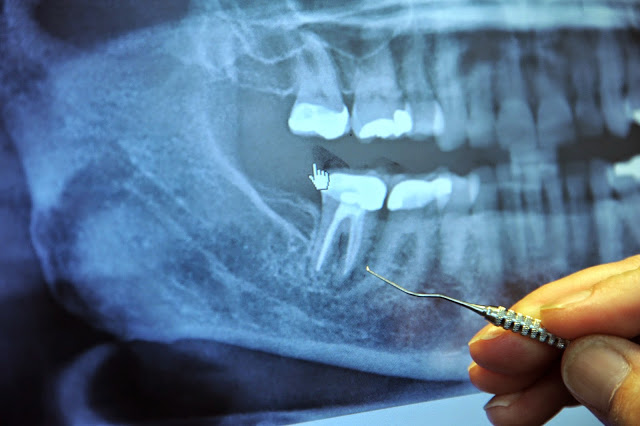
His 5-year study involving over 300 women with breast cancer found that 93 percent of them had root canals. Interestingly, he also found that, in the majority of the cases, the cancer tumors were located on the same side of the body as the root canal or other oral pathology.

In addition, the actual root canal procedure can be the cause of infection from the get-go. A 1998 study, published in the American Academy of Periodontology, concluded that the actual root canal sites as well as the blood samples of all 26 case subjects contained anaerobic bacteria. It is a safe bet that from the minute you get that root canal (no doubt recommended and performed by your traditional local dentist), a never-ending river of bacteria starts flowing into your entire bloodstream.

How the teeth are directly connected to the health of your body

The connection between your mouth and the rest of your body just makes sense if you look at your teeth as an integral part of your overall body system. Your teeth are living organisms that are connected to the rest of your body through the ‘acupuncture meridian system.’

This organism contains over 3 miles of tubules (tiny fluid-filled holes in the dentin layer of each tooth). When a tooth becomes diseased to the point where it cannot be saved with a non-toxic filling or a crown, the tooth should be extracted. Period.

Saving a dying, infected tooth would be like trying to save an infected appendix or gall bladder by stuffing it with bleach (sodium hypochlorite is routinely used in root canals) and other toxic chemicals in the hope that the body will not reject it. Sound silly, right?

It is silly, and dangerous. Innately, your body does not want to hold on to anything “dead.”

If a root canal is performed to “save” a dead tooth, the thousands of tubules within the tooth each become receptacles for deadly bacteria. The result is: An on-going toxic drip of bacteria such as E. Faecalis (responsible for abscess formation and destruction of tissue) into the body and its organs.

The result of the constant presence of bacteria in the root canal area can be a severe suppression your of immune system.

Infected teeth threaten your whole body with poor heatlh

It can also effect the organs connected to the tooth, again through the acupuncture meridian system. For example, the 4th and 5th tooth – to the left and right of the center teeth – in the upper and lower jaw are connected to the breast meridian.

Constant infection caused by a root canal in these teeth can lead to complications, energy (or Chi) imbalances and blockages in energy flow in the breast meridian. This phenomenon is often very visible in thermography scans.

If you have had a root canal, consider having the tooth removed and the tissue around it cleaned and repaired by a holistic or biological dentist. Biological dentists understand the connection between root canal and disease in the body. The Holistic Dental Association and the International Academy of Biological Dentistry and Medicine are great resources for learning more and for finding a biological dentist near you.

Bottom line, if you are being proactive with breast cancer prevention and are on a healing journey, you MUST address your dental health.

riseearth.com

Posted in Uncategorized | Leave a comment