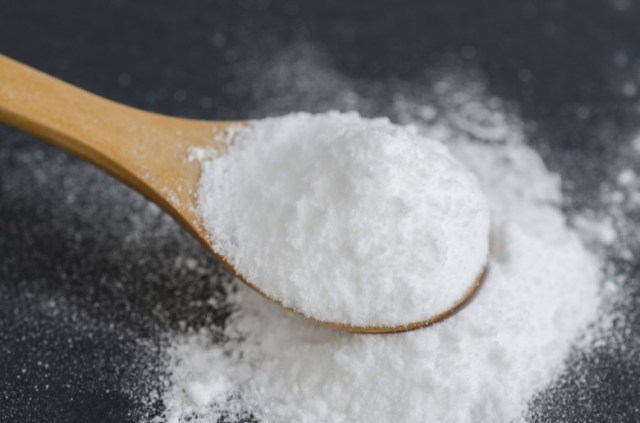
8 Amazing Health Benefits By Using Baking Soda

bakingsoda.jpg

Baking soda is likely the most inexpensive health remedy in the world. It is effective at combating everything from colds to cancer, as well as beneficial for oral health, deodorants and so much more. If it’s one thing you want in your home pharmacy, it’s baking soda.

Note: People still confuse baking soda with baking powder and the presence of aluminum. Baking soda has never had aluminum.

Sodium Bicarbonate (NaHCO3) commonly called baking soda is a natural substance used in the human body within the bloodstream to regulate pH as a counterbalance to acid build up, which is critical to life. It affects the pH of cells and tissues, balances cell voltage, and increases CO2 which helps with oxygenation. Sodium Bicarbonate is a powerful medical tool that everyone would benefit by knowing more about.

Baking-Soda


1) Oral Health. A plaque-busting tooth and gum paste
Baking soda is a popular ingredient in toothpastes and mouthwashes since it has been shown to enhance plaque removal. For an incredibly effective tooth and gum paste, use a mixture of six parts of baking soda to one part of sea salt. Place them in a blender and mix for 30 seconds, then place in a container to use. Wet the tip of your index finger and place a small amount of the salt and soda mixture on your gums. Starting with the upper outside gums and then the inside of the upper, followed by the lower outside of the gums then the lower inside, rub the mixture onto your teeth and gums. Spit out the excess. After 15 minutes rinse your mouth. This mixture is incredibly effective at killing bacteria. For a natural way to whiten your teeth, crush one ripe strawberry and mix it with 1/2 teaspoon of baking soda. Spread the mixture onto your teeth and leave on for five minutes. Then brush your teeth and rinse. This method should be used no more than once a week, as excessive use could potentially damage your tooth enamel.

2) Natural Deodorant.
Using baking soda as a deodorant is a simple way to combat body odor without subjecting your pits to a variety of chemicals. Mix an eighth of a teaspoon of baking soda with a little bit of water — don’t dissolve it — and rub it under your arms. You can also create a baking soda and cornstarch mix to fight odor and help prevent wetness. Simply mix one part baking soda with six parts cornstarch and dust a little on your underarms. You can also dip finger in water, then apply baking soda to each arm pit and spread the solution with a natural deodorant crystal.

3) Kidney Disease
Bicarbonate is an alkaline substance naturally produced in the body that buffers acids and helps keep pH in check. In people who have chronic kidney disease, which is most often caused by diabetes or hypertension, poorly functioning kidneys have a hard time removing acid from the body. This often results in a condition known as metabolic acidosis.

In one study, British researchers treated patients with advanced kidney disease and metabolic acidosis with oral sodium bicarbonate in conjunction with their usual treatment for two years. The sodium bicarbonate slowed the rate of decline in kidney function by two-thirds, and just 6.5 percent of the patients treated with sodium bicarbonate required dialysis by the end of the study, compared to 33 percent in a control group. Discuss this with your physician and encourage him to look into this promising therapy, which can slow the progression of this devastating disease.

4) Cancer
Studies have shown that dietary measures to boost bicarbonate levels canincrease the pH of acidic tumors without upsetting the pH of the blood and healthy tissues. Although this hasn’t yet been studied in human clinical trials, animal models of human breast cancer show that oral sodium bicarbonate does indeed make tumors more alkaline and inhibit metastasis. Based on these studies, plus the fact that baking soda is safe and well tolerated, world renowned doctors such as Dr. Julian Whitaker have adopted successful cancer treatment protocols as part of an overall nutritional and immune support program for patients who are dealing with the disease. The Whitaker protocol uses 12 g (2 rounded teaspoons) of baking soda mixed in 2 cups water, along with a low-cal sweetener of your choice. (It’s quite salty tasting.) Sip this mixture over the course of an hour or two and repeat for a total of three times a day. One man claims he has found a cure for cancer using baking soda and molasses and actually successfully treated his own disease by using baking soda.

5) Dermatological Conditions
For insect bites, make a paste out of baking soda and water, and apply as a salve onto affected skin. To ease the itch, shake some baking soda into your hand and rub it into damp skin after bath or shower.

As a Sunburn remedy, add 1/2 cup of baking soda to lukewarm bathwater, then soak in the tub for natural relief. When you get out, let your skin air dry, rather than toweling off the excess baking soda, for extra relief. You can also add a mixture of baking soda and water to a cool compress and apply it to the sunburn directly.

Skip harsh soaps and gently scrub away ground-in dirt and neutralize odors on hands with a paste of 3 parts baking soda to 1 part water, or 3 parts baking soda to gentle liquid hand soap. Then rinse clean.

A paste made from three parts of baking soda combined with 1 part water can be used as an exfoliator for your face and body. It’s natural, inexpensive and gentle enough to use every day.

For splinters, add a tablespoon of baking soda to a small glass of water, then soak the affected area twice a day. Many splinters will come out on their own after a couple of days using this treatment.

If you can’t afford a standard spa treatment, create a foot soak by adding baking soda to warm water. It’s a well-known way to heal athlete’s foot, but it’s also great for easing calluses.

British researchers found that adding one-half cup of baking soda to bathwater soothed itchiness and irritation in patients with psoriasis.

6) Antacid. Use for heartburn, indigestion and even ulcers
Most over-the-counter antacids, such as Alka-Seltzer, Tums, and Rolaids, contain some form of bicarbonate. But a more cost-effective way to relieve occasional heartburn and indigestion is to stir half a teaspoon of baking soda into half a cup of water and drink it an hour or two after meals. Baking soda can neutralize pain from stomach and duodenal ulcers, GERD, hiatal hernia and other conditions causing acid relfux. One caution with ulcers is that you should not treat them chronically with baking soda. Although it helps at first, sodium bicarbonate can cause the stomach to produce more acid, which sometimes makes things worse.

7) Cold and Flu
In their booklet “Arm & Hammer Baking Soda Medical Uses,” published in 1924, Dr. Volney S. Cheney recounts his clinical successes with sodium bicarbonate in treating cold and flu. He stated “treated all cases of ‘cold,’ influenza and LaGripe by first giving generous doses of bicarbonate of soda, and in many, many instances within 36 hours the symptoms would have entirely abated.” Simply dissolve the recommended amount of baking soda in a glass of cold water and drink it. Recommended dosages from the Arm & Hammer Company for colds and influenza back in 1925 were:

  • Day 1 — Take six doses of 1/2 teaspoon of baking soda in glass of cool water, at about two-hour intervals
  • Day 2 — Take four doses of 1/2 teaspoon of baking soda in glass of cool water, at the same intervals
  • Day 3 — Take two doses of 1/2 teaspoon of baking soda in glass of cool water morning and evening, and thereafter 1/2 teaspoon in glass of cool water each morning until cold symptoms are gone


8) Energizer
Refresh with invigorating scents that wake you up. Make vibrant-smelling essential oils combined with baking soda to elevate mornings to a whole new level in the shower.
Full article here

Posted in Uncategorized | Tagged , , , , | Leave a comment

Potato Power

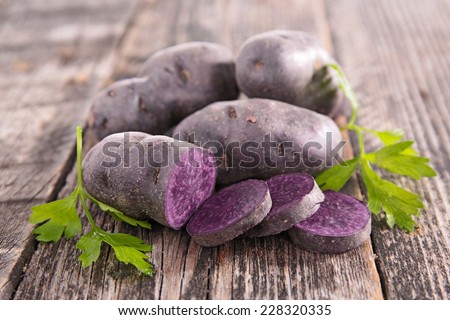
Purple-fleshed potatoes contain compounds that suppress the growth of colon cancer tumors (cell and mouse models).

Posted on May 18, 2016, 6 a.m. in Anti-Aging Research Science Cancer Functional Foods

Posted in Uncategorized | Leave a comment

For millions, wild food is no fad but a matter of life or death

wildfood-violets-radical-remedies.png

In the UK, the wild food trend has re-acquainted people with the various edible plants to be found in the countryside. But around the world wild foods are relied on by a billion people as a key part of their diet. For those who farm, fish, hunt and forage for a living, undomesticated or semi-domesticated plants and animals are an important source of food routinely or in hard times.

Many of these wild foods are to some degree effectively cultivated, yet are typically neglected in global analyses of food security. But evidence from across the world suggests that several hundred species contribute significantly, especially to the health and well-being of those most vulnerable to poverty and hunger. There are key lessons to be learned from our two recent reviews in 2010 and 2014 of the use of wild foods, which can highlight some of the reasons why the use of wild foods may be declining, and how to stop that decline.

What’s ‘wild’ and what’s ‘farmed’?

Historically there has always been a continuum rather than any clear distinction between the farmed and the wild, and this remains the case. Useful plants and animals beyond field margins are stewarded to varying degrees. In this way farming, hunting, gathering and nomadism are complementary, with those living on the land using a wide range of practices to manage all three.

Examples of management of the wild includes the sparing of young animals, collecting and scattering of seeds and roots, providing feed to animals and fish, clearing forest glades to assist hunting, and irrigating areas wild plants. Food and other ecosystem goods and services are managed for immediate and long-term benefits. Where non-agricultural environments are no longer actively stewarded in this way, important sources of food, fibre, fodder, medicine and income are put at risk.

Humans have historically used around 7,000 species of wild plants for food, yet more than half the world’s total protein and calorie requirements are met by just three agricultural crops: rice, wheat and maize (corn). Just 12 species contribute 80% of all the world’s dietary intake. Global agriculture is focused on 150 commercialised species, while by contrast those communities that routinely use wild plants enjoy a startlingly diverse diet.

We collated evidence from 31 studies of wild food use in 20 countries in Asia and Africa, and found an average 92 species were used for food. In 12 indigenous communities this rose to 120 species, with the Karen of Thailand using 252 species of plant and 63 types of animal.

The link between the importance of biodiversity conservation and food security for those relying on wild foods is clear, especially where poverty and hunger is rife. In the Sahel, for example, edible desert plants are a source of iron, zinc, calcium and essential fatty acids. For the Ferlo of Senegal, half of wild plants are at least partly edible, providing a source of vitamins A, B2, and C.

Use it or lose it

The availability and use of wild food runs into a number of social and ecological challenges. The effects of climate change will have an impact on the habitats and distribution of some species, for example. And turning more land over to farming food crops in order to increase food production often leads to loss of biodiversity around farmed areas which, perversely, affects the availability of long-established wild food species.

Many communities across the world are losing the local knowledge necessary to be able to select, manage and use uncultivated species. Groups that historically have lived mostly off the land are having to rely more and more on food purchased from shops. For example, across the circumpolar North researchers have documented the negative impact on health this has had due to inadequate micronutrients and excessive sugar and fats.

The future of wild foods

Our reviews underline the importance of linking up policies for food, poverty and biodiversity conservation. As 16 of the world’s biodiversity hotspots overlap with areas of hunger and malnutrition, policies need to tackle many issues at once. Those policies designed either to protect biodiversity or increase food production may have unintended perverse consequences for both. One way to address this is effective community-level management of biodiverse areas – between 400,000 and 500,000 community groups were formed between the early 1990s and 2000s to manage watersheds, forests, irrigation, pests and fisheries.

Broadening the focus of agricultural policy away from just production and looking at nutritional security rather than food security would open up the way to promote sustainable intensification of existing farmland which would better preserve a wealth of species biodiversity, on and off the farm. Cultural and agricultural revitalisation projects can focus on reconnecting with traditional food cultures and ecological knowledge.

With wild foods contributing vitally to many agricultural communities, and especially subsistence farmers, conservation and agricultural policies should aim to support objectives in both areas – helping conserve landscapes, improve food security, and promoting sustainable livelihoods.

Full article here

Posted in Uncategorized | Leave a comment

Is the fear of Lyme Disease Keeping You Inside?

holistic-radical-.gif

With the weather finally warming up and the sunshine stretching until nearly 8:00 PM, you may be feeling the urge to get outside and explore. However, as Lyme disease has become more prevalent, many of us face this season with apprehension, fearful to go walk in the woods – or even sit in the backyard!

Can Lyme disease be cured?
This often misunderstood disease has baffled mainstream medical doctors and left many patients misdiagnosed or suffering from the plethora of symptoms of chronic Lyme disease, co-infections, and a drastically weakened immune system. This leads many doctors and patients to wonder – can Lyme disease be cured? In this article, Dr. David Jernigan of the Hansa Center for Optimum Health explains how treating Lyme disease with biological medicine is about more than just killing the Lyme bacteria, it’s actually working to restore overall health.

Approaching Lyme disease holistically
One of the things that makes biological medicine truly unique is that it does not treat a diagnosis or a disease, instead it looks for the root causes of illness and supports the body’s natural healing abilities to regain a state of well being. In this lecture, Dr. Thomas Rau of the Paracelsus Klinik explains how he has had great success in helping patients with Lyme disease by providing individualized treatment focused on removing the toxic load and building up the immune system. A recent Lyme patient shares her experience at the Paracelsus Klinik here.

If you live in New England, Groton Wellness hosts two monthly meetings (Natural Effective Approaches and a Support Group) to assist and support individuals living with Lyme disease.

By gaining a deeper understanding of Lyme disease and how to stay well, we can enjoy the benefits of nature – while of course remembering to diligently check our selves and our pets for ticks upon coming indoors!

With thanks,

Abigail Haines Smith
Biological Medicine Network Manager

Clinics in North America – See Radical Remedies here!


Posted in Uncategorized | Leave a comment

Picnics on the Road Ahead…

 How to Eat Healthy on the Road & Stay Energized

This slideshow requires JavaScript.

Paitini Institute – How to Eat Healthy on the Road & Stay Energized

Over the years I’ve spent many months per year on the road while on tours with the Paititi Institute and many often ask us how we manage to maintain healthy eating habits on the move. When leaving behind our routine and familiar surroundings, it can be a challenge to maintain a balanced and healthy diet, especially if you have restrictions like me (vegan and gluten free).

After years of traveling for extended periods, we’ve dialed in a method that works for us. And, since we’re currently in the middle of our tour and fully immersed in travel mode, we thought it would be a perfect opportunity to share a few of our tricks!

Shopping

Luckily today natural food stores are popping up all over, so it’s rare to drive for an 8-10 hour stretch without passing by a coop or health food store. As we travel, we always look for the local natural food coops or a local market before heading to a big corporate chain such as Wholefoods.

The local stores often support local farmers and it’s also a great way to connect with the local community. You can search for coops like these around the United States at Coopdirectory.org

And here’s a couple additional websites which organize health food and organic stores by state. They’re not as slick or modern as some websites we’re used to these days, but they often do the job.

Morning ritual

When traveling, I find my digestion gets compromised more easily. For this reason, I figured out a good start to the day with the following routine.

  1. A tablespoon of raw, unfiltered apple cider vinegar in water. Apple cider vinegar is known to promote digestion, enhance the immune system, regulate blood sugar and detoxify the body (to name a few of the benefits)
  2. A good quality probiotic.

It’s a simple start that makes a big difference.

Quick, easy breakfast

We keep breakfast quick and easy when we’re on the road. The easier you make it, the more likely you are to stick to something good your body will appreciate. Our strategy is to stock up on a good granola, hemp seed milk, and fruit.

The great thing about hemp seed milk (and other nut milks) is that they don’t need refrigeration until opened. Hemp milk is a great source protein including the hard-to-find amino acid, GLA. It’s rich in omega-3 and omega-6 fatty acids, along with many vitamins.

So if you keep a reusable bowl on hand, you’re set. Add some fresh fruit and you have a lovely, hassle-free and travel-friendly meal to start your day.

Lunch and Dinner

Nori Wraps & Sandwiches
We love to make nori wraps or sandwiches while on the road. They’re healthy, don’t get old because you can mix up the toppings and, let’s face it, they’re also kinda fun. With the list below, you can pull over at any point and make a delicious lunch or dinner.

  • Bread
  • Nori
  • Kim Chee or Raw Sauerkraut: Since these are fermented, they don’t spoil if your cooler refuses to stay cool  – Easy, natural probiotics to add to salad or wraps
  • Hummus
  • Avocados
  • Some form of lettuce (arugula, spring greens, spinach, etc)
  • Sprouts
  • Pickles
  • Rice or quinoa

For these last two, if I have access to a stove at some point while traveling, I’ll mix up a batch of rice or quinoa which keeps happily in a cooler for a couple days. Also, these things are easy to find cooked if you hit up a health food store’s prepared food bar.

Kale salad in a ziplock
Kale is one of our favorite foods. As a dark leafy green, it offers profound nutrition and also keeps very well! When we shop and stock up between destinations, I often make up a big kale salad in a ziplock bag, and it will stay good for a couple days in a cooler, assuming it lasts that long! Here’s how to make it…

  • Wash your kale and strip the center stalk. Once dry, you can tear it up into smaller pieces and place in a large ziplock bag. I usually use 2-3 bunches as you would be surprised how much is shrinks down.
  • Squeeze a couple lemons and/or apple cider vinegar
  • Add a splash of olive oil
  • Salt to taste (I also love to add dulse flakes)
  • From here, just massage a little and let it sit

Since it’s in a bag, you can just close it up and massage it from the outside, and you don’t make a big mess of your hands. When you’re ready for a yummy meal, it will have softened up even further just sitting in the dressing. We like to wrap ours in Nori of course!

Quality drinking water

Drinking high quality water can make a huge difference in our overall well being. When possible, we’ll stop at a spring and fill up a large 5 gallon jug full of water right from the source. There’s an amazing website, where you can visit to find spring sources in the US while on the road.

At times, we’re not always able to get to a spring so we also travel with a high quality portable ceramic filter. We like ProPur pitchers as they can filter out fluoride and all kinds of other contaminants we don’t like to drink.

Since we love tea we also travel with an electric kettle. Most often the hot water you find in gas stations won’t be of the highest quality. So if you have an electric kettle and a thermos you can make enough hot water in the morning to last a full day.

Other beverages to keep you going

We love to pour GungFu style tea and travel with a small set. It’s a nice, effective way to unwind and ground after a busy day traveling and rushing around.

We also love Dandy Blend and Blue Lotus Chai as both are delicious and very simple to make while driving down the road. Just add powder to hot water and wala!

In addition to tea, we usually stock up on coconut water and kombucha, both of which are very nutritious and great for your digestion. Being a ferment, Kombucha has high probiotic value and coconut water is super hydrating with tons of electrolytes.

Herbs & supplements for your immune system

When we travel, we find it’s important to focus a little extra attention on keeping the immune system strong. For something that involves a lot of sitting on your butt, it can actually wear you down quite a bit. The following are some of our favorite supplements and medicines we take on a regular basis as a way to stay healthy.

  • Chaga mushroom tea
    Chaga has been the subject of several studies to show that it’s a powerful anti-carcinogenic and contains more antioxidants than any food known to man. There are too many amazing things to say about chaga here, so check out this article to read more about it health benefits and preparation. We keep a large jug of concentrate on hand and drink a cup or two everyday.
  • Turmeric tea
    Studies suggest that turmeric improves the liver’s ability to detox. Turmeric has also been shown to help reduce free radical damage, protecting your cells and tissues, as well as a powerful anti-inflammatory, anti-oxidant, antifungal and antibacterial. It’s a shame the stains this little root makes on just about everything it touches are so stubborn, but the health benefits are worth it. We like to prepare a tea with fresh turmeric root but when this is not available, you can find dried powder in almost any health food store. It’s good to prepare turmeric together with black pepper and oil (coconut or ghee) to make it more bio-available. Besides tea, we put it in pretty much everything we cook!
  • Chlorella & Spirulina
    These two suggestions (often sold already blended) are incredibly nutritious micro-algae known for cleansing the bowels, liver and blood from all kinds of toxins. They’re typically bought in powder form and you can mix it with a quantity of water suggested on the packaging. If it’s more convenient, buy it in supplemental pill form. It’s an incredibly easy way to add high nutritional value to your salads or smoothies. My favorite is to make up a smoothie in the mornings with chaga tea, spirulina, chlorella and banana if I have access to a blender.
  • Garlic
    It’s antibacterial, antiparasitic, antiviral and well… there are too many amazing qualities to write about here, so you should Google it! I guarantee you can find it anywhere you are, too ☺

There are many other herbs and supplements we work with at different times but these are our staples. Of course you should do your own research before taking any herbs and always be sure to check for contraindications with anything else you may be taking.

If it sounds like a lot, don’t worry…

If you’re new to a lot of the foodstuffs on this list, this all may sound complex or perhaps like a lot of work. But we’ve discovered for ourselves that with just a little initial effort and forethought to figure these things out, it genuinely becomes effortless. Invest that time up front, and you’ll always have healthy options anywhere you go.

We’re still on the road for another month for our Planetary Awakening Tour and would love to see you along the way. Our next stops include Iowa, Illinois, Michigan, New York and Massachusetts.

Posted by Cynthia Robinson on April 26th, 2016

Original article: Paitini Institute – How to Eat Healthy on the Road & Stay Energized


Posted in Uncategorized | Leave a comment

Notes From the Inner Coast

radical-remedies-sale.png

Notes From the Inner Coast: consciousness raising in the river of life…
Think of the colon as the banks of the River of Life. Not just the river banks, but also the bank vaults housing trillions of microbial flora living in the banks because of the river flowing thru and around this remarkably revealing, living river delta we call colon. It contains 6 square feet of surface area, snugly tucked into folds, pockets and loops overlying the first chakra, or physical body, and curled up around the second chakra, or emotional body, just like a sleeping baby. This extraordinary end organ holds tremendous amounts of unconscious data via its local nervous system reflex arcs to underlying organs and systems throughout the entire organism. From head to heel in all of us, the location of these arcs mimics the form, and I suggest the consciousness, of an inner infant–always in your lap. The emotional age of your colon is no older than 18 months, and practically prelingual. I mean it is more susceptible and sensitive to feelings, both physical sensations and emotional feeling experiences, than it is to conscious command. When it gets stuffed up, you get irritable, and worse. Colon demonstrates a mysterious blend of involuntary and voluntary nervous system controls driven largely by the organisms flowing through it and the neurotransmitter cascade that is triggered and released there. That’s how it got the nickname ‘the second brain’. That’s why successful bowel training takes some practical applications of cognitive and behavioral science. Whether it’s a baby being potty trained, or an adult learning normal bowel hygiene for the first time and learning to reprogram their gut in a conscious way, the process is based very much on principles of behavioral psychology. A carefully timed enema (after a bowel movement), can be successfully used to cleanse, strengthen colon and relieve chronic constipation permanently simply by regular practice. In my experience, it generally takes about 3 weeks of mindful focus which includes changes in food choices, purposeful exercise, and water management. The specific prescriptive changes are somewhat unique to each individual. But for everyone, improving bowel hygiene includes regular, especially seasonal practice of cleansing and nourishing ourselves. In other words, follow-up is key! It’s never ‘one and done’! Remember: the road to health is paved with good intestines!

This month, we celebrate the beauty of spring by offering the easy
can-do follow-up Spring cleaning special.

2 colonics in any week for $200–Until May 1st!

Looking forward to helping you swing into a vitally healthy season…
– Jillian VanNostrand, RN

Posted in Uncategorized | Leave a comment

Radical Weeds Coupon – Spring Cleaning Sale!

image1-1.PNG#Listentoyourgut

Posted in Uncategorized | Leave a comment

Spring Cleansing Recipe

7MZReSM8SwyQsJQoFlFQkjeG372YHbGHFADdBHF-a8kIJ18cUg2QlQLdEwQpsNmrxtFnaQhJ-qu2j53c0Jm7zS1NETp9FLFVugTOATeTw-KvYZRl3GvQQMTOVl_MKHlCePG9fRfoIebb=s0-d-e1-ft
Cauliflower is an incredible vegetable to include in your diet in both its raw and cooked forms. It’s full of nutrients and is excellent for supporting a strong immune system and optimum health.
Cauliflower is incredibly high in vitamin C, K, and B-complex and minerals such as boron, calcium, molybdenum, and tryptophan. It is also a good source of high quality protein that is easily assimilated into the body. The powerful anti-cancer compounds in cauliflower such as indole-3-carbinol and sulforaphane are particularly beneficial for helping to prevent breast, cervical, ovarian, colon, stomach, and prostate cancers.
Cauliflower contains a compound called Di-indolyl-methan (DIM) which has been shown to be effective in the treatment of the Human Papilloma Virus (HPV) and cervical dysplasia. It also has excellent anti-inflammatory properties due to its omega-3 and vitamin K content and is an essential food for those trying to prevent chronic inflammation as in fibromyalgia, hepatitis, arthritis, cardiomyopathy, cystic fibrosis, IBS, and Alzheimer’s disease.
Cauliflower has also been found to help protect the lining of the stomach which is vital for preventing bacterial overgrowth of H. Pylori in the stomach. It’s also known to be an effective detoxifier for the liver and spleen and can aid in cleansing toxins from the blood, lymph, tissues, and organs. Raw cauliflower is an excellent alternative to white rice and can be made by placing cauliflower into a food processor and grinding until it reaches a rice-like texture, which is how we are using in today’s fun recipe.
In this dish, cauliflower rice is topped with a spice-filled, beautiful salsa made of tangerines and tomatoes. Paired with chopped fresh herbs and warming Indian flavors, this recipe is a wonderfully unique, nutritious and richly-flavored twist on traditional Indian fare. Enjoy it as a meal anytime. Eat it wrapped in lettuce cups, topped with avocado, alongside a fresh green salad, or even cook the cauliflower rice by steaming it for 3-5 minutes until warm and tender. The possibilities are endless!
 
Cauliflower Rice With Indian Spiced Salsa

Ingredients:

  • 1 head of cauliflower, florets
  • 2 cups tangerine slices, peeled and deseeded
  • 1 cup cherry tomatoes
  • ½ red onion, quartered
  • 2 cloves garlic
  • 1 inch piece of ginger, peeled
  • ¼ cup curly parsley
  • 1 tsp fresh sage leaves
  • 1 tsp each of cumin, paprika, chili powder, yellow curry powder
  • ½ tsp red pepper flakes (optional)

Click here for the full recipe. 

Read more to find out how to tune in to today’s Free Radio Show on Healing Migraines & Headaches


Recipe & article by: H-QTpClGIycoPJhyNsvQNH_p-EMqiNk5kWZspyomnxKwtFX3qRqUIYvbwVM0Y9e4AQMGZqfO7Cas5g6rcN77X-vrhfOcBdV0uzb7QjCirBerraxO_RYkELqE2hPu_-H0EyTkTeQaA9hm=s0-d-e1-ft.jpg

Posted in Uncategorized | Leave a comment

New Thermography Pricing at Seekonk Family Chiropractic!

Thermography & Same Day Follow Up Care Now $200.00

at Seekonk Family Chiropractic!

Pursuing natural breast and prostate health care proactively can lead to an exciting path of self discovery and personal empowerment.

At Seacoast Breast Health, thermography is the logical starting point of the journey. This dynamic temperature test indirectly measures your nervous system’s regulatory capabilities, revealing areas of either blocked energy or inflammation. It gauges Breast or prostate health via all the underlying organs and systems including lymphatics, lungs, kidneys, sinuses, liver, stomach, pancreas, small and large intestines, and includes as well specific check points for breasts and ovaries in women, and prostate and inguinal points in men.
Thermography reveals signature patterns for heavy metal poisoning, parasites, allergies, viral and bacterial loads, and chronic underlying dental health challenges, all of which profoundly affect everyone’s health and quality of living. Your thermography test will also prioritize and suggest treatment therapies for restoring optimal regulation. These might include chiropractic and nutritional therapies, lymphatic drainage, colon therapy, acupuncture, biological dentistry, massage or yoga or other regulation therapies.

Finally, Dr. Joann Monteiro, D.C. provides you with a customized follow up treatment at the time of your test. Thermography is never used as a cancer diagnostic, but rather a health track baseline, generating triaged follow up suggestions for restoring regulation, whether or not you have a history of cancer. Thermography essentially gives you a way of tuning up your instrument for best overall outcomes. We recommend yearly thermography, with three month follow up after therapies in acute cases. Seacoast Breast Health now delivers Thermography, including follow up treatment for $200.00 on Thursday mornings at Seekonk Family Chiropractic. Activate your health!

Please visit www.SeacoastBreastHealth.com & call Jillian at 774-487-7082 for your appointment today.

Jillian VanNostrand, R.N.
www.RadicalRemedies.com

Posted in Uncategorized | Leave a comment

The most important defecation-related scientific study ever

The most important defecation-related scientific study ever

It started with some brave souls daring to ask a simple but all-important question…what’s more important when it comes to pooping, the position a person is in or the shape of the poop? It’s our privilege to share their answer.

Researchers at the University of Iowa began their 2006 paper for The American Journal of Gastroenterology by explaining their most crucial topic:

Whether defecation is influenced by body position or stool characteristics is unclear. We investigated effects of body position, presence of stool-like sensation, and stool form on defecation patterns and manometric profiles.

This is why people get into science, right here. But how do you test something like this, and more to the point how do you test something like this without everything getting totally, dream-hauntingly disgusting? They explain:

Rectal and anal pressures were assessed in 25 healthy volunteers during attempted defecation either in the lying or sitting positions and with balloon-filled or empty rectum. Subjects also expelled a water-filled (50 cc) balloon or silicone-stool (FECOM) either lying or sitting and rated their stooling sensation.

Yes, FECOM is specially made artificial poop, and it is absolutely a real thing. Unfortunately, it does not appear to be available in stores, so you’ll have to think of something else for a last-minute Mother’s Day gift.

So then, what did our researchers find? Well…

In the lying position, one-third showed dyssynergia and one-half could not expel artificial stool. Whereas when sitting with distended rectum, most showed normal defecation pattern and ability to expel stool. Thus, body position, sensation of stooling and stool characteristics may each influence defecation. Defecation is best evaluated in the sitting position with artificial stool.

I think we all now know what you’ll be making casual conversation about at your next dinner party. Although I’m not sure whether it’s better to bring all this up before or after everyone has eaten.

Via NCBI ROFL. Image via mandydale’s Flickr.

18.5K

50

Posted in Uncategorized | Leave a comment